
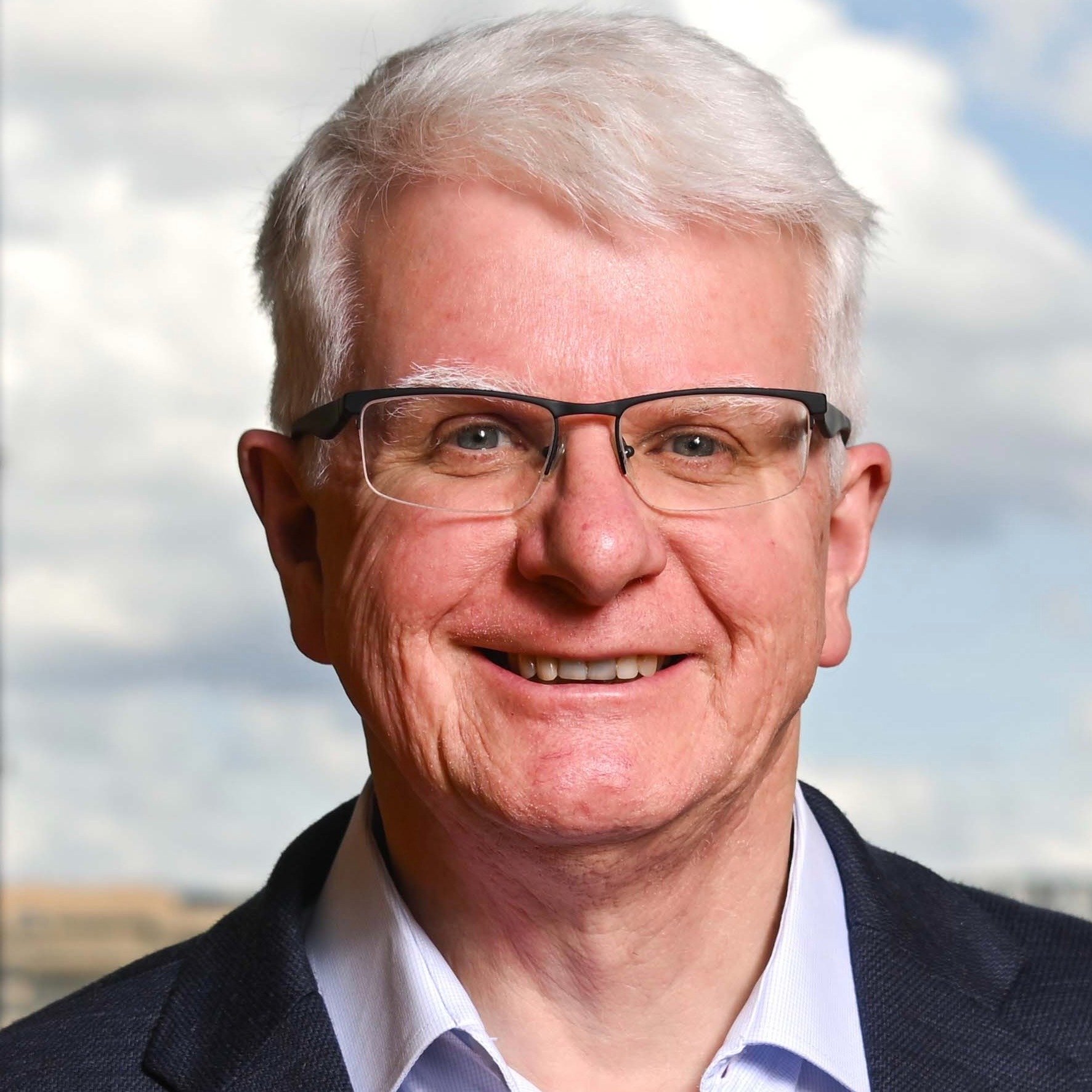
Professor Christopher Nolan
Australian Diabetes Society
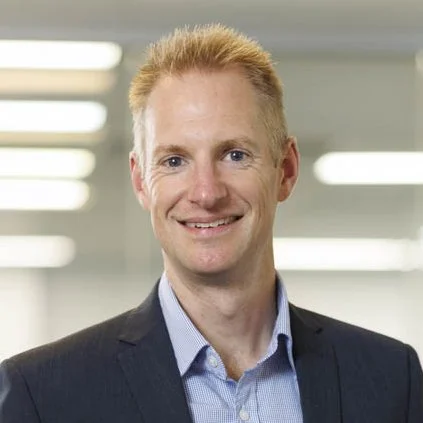
Tim Perry
Diabetes Australia
For our inaugural issue #1, we sat down with Professor Christopher Nolan (Australian Diabetes Society) and Tim Perry (Diabetes Australia) to discuss the challenges, success and future impact of IDFWPR-ADC-MBD 2026.
Major meetings are often measured by what happens inside the conference venue. Their real value, however, can be found in what continues long after the final session ends.
For Professor Christopher Nolan and Tim Perry, the legacy lies in the relationships strengthened across the region, the voices brought into the conversation and the potential for shared knowledge to improve outcomes for people living with diabetes.
The International Diabetes Federation Western Pacific Region Congress & Australian Diabetes Congress & Metabolic Diseases 2026, held in Melbourne, brought together researchers, clinicians, emerging professionals, and people living with diabetes from Australia and across the Western Pacific region. Behind its scale and scientific program was a clear purpose: to create connections capable of delivering lasting change.
From the outset, success was defined by more than delegate numbers or the strength of the scientific program. For Christopher, a clinical endocrinologist, researcher and Australian Diabetes Society Board member, the Congress needed to bring together international experts while creating opportunities for the next generation of diabetes professionals. Critically, people living with diabetes needed to be part of the conversation.
The ultimate objective, Christopher says, was “improving the lives of people living with diabetes.”
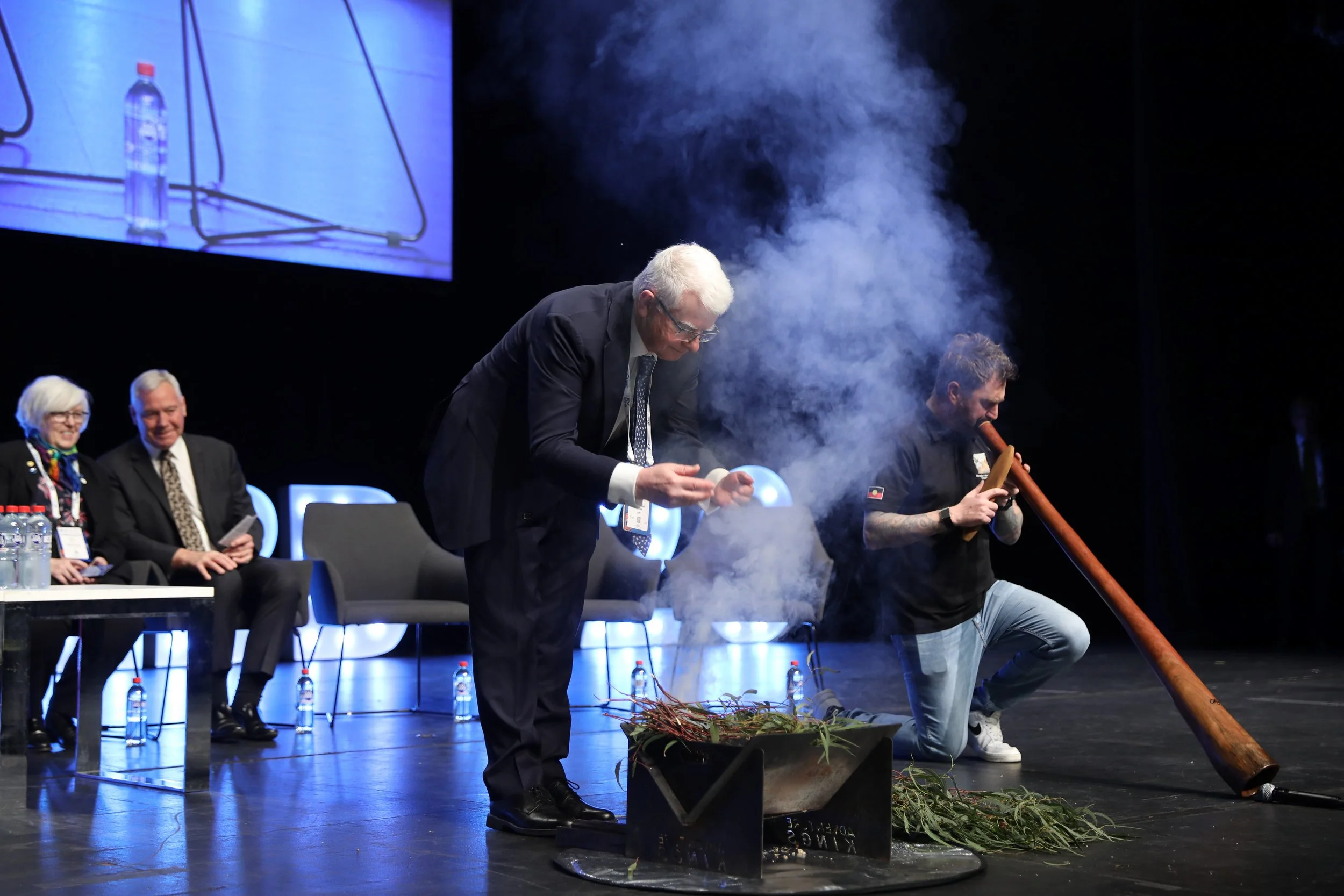
For Tim, who led Diabetes Australia’s hosting role and the Community Day, the Congress was an opportunity to strengthen collaboration across the Western Pacific region, showcase Australia’s diabetes expertise and connect the professional community more closely with the people their work is intended to benefit.
That ambition was most clearly demonstrated through the Diabetes Community Day, a free public-facing event that brought people living with diabetes, families, carers, and supporters together with clinicians, researchers, educators, and advocates.
More than 650 people attended, participating in sessions, exhibitions, and interactive experiences. Combining education, advocacy, lived experience, innovation and community connection, the day demonstrated what is possible when lived experience is not positioned at the periphery of a professional Congress, but brought closer to its centre.
The Congress also demonstrated an important leadership lesson: ambitious outcomes rarely belong to a single organisation. Delivering an international meeting of this scale required organisations with different perspectives and priorities to work towards a shared objective, with conference planning and management behind the scenes.
“At times, the going was tough, but through the whole process, I think we stuck together,” Christopher reflects.
For Tim, combining the strengths of the organisations involved delivered something “none of us would have been able to deliver on our own.”
That experience has value beyond the Congress itself. The partnerships strengthened through the process provide a foundation for future collaboration across the diabetes sector and the Western Pacific region.
When Christopher considers the impact of the Congress, he points to relationships.
Across the Western Pacific, countries and communities have different experiences of diabetes, challenges, and areas of expertise. The Congress created a platform for those perspectives to intersect and for knowledge to move across professional, organisational, and geographic boundaries.
“Those ties will remain in place and will only strengthen in time,” Christopher says.
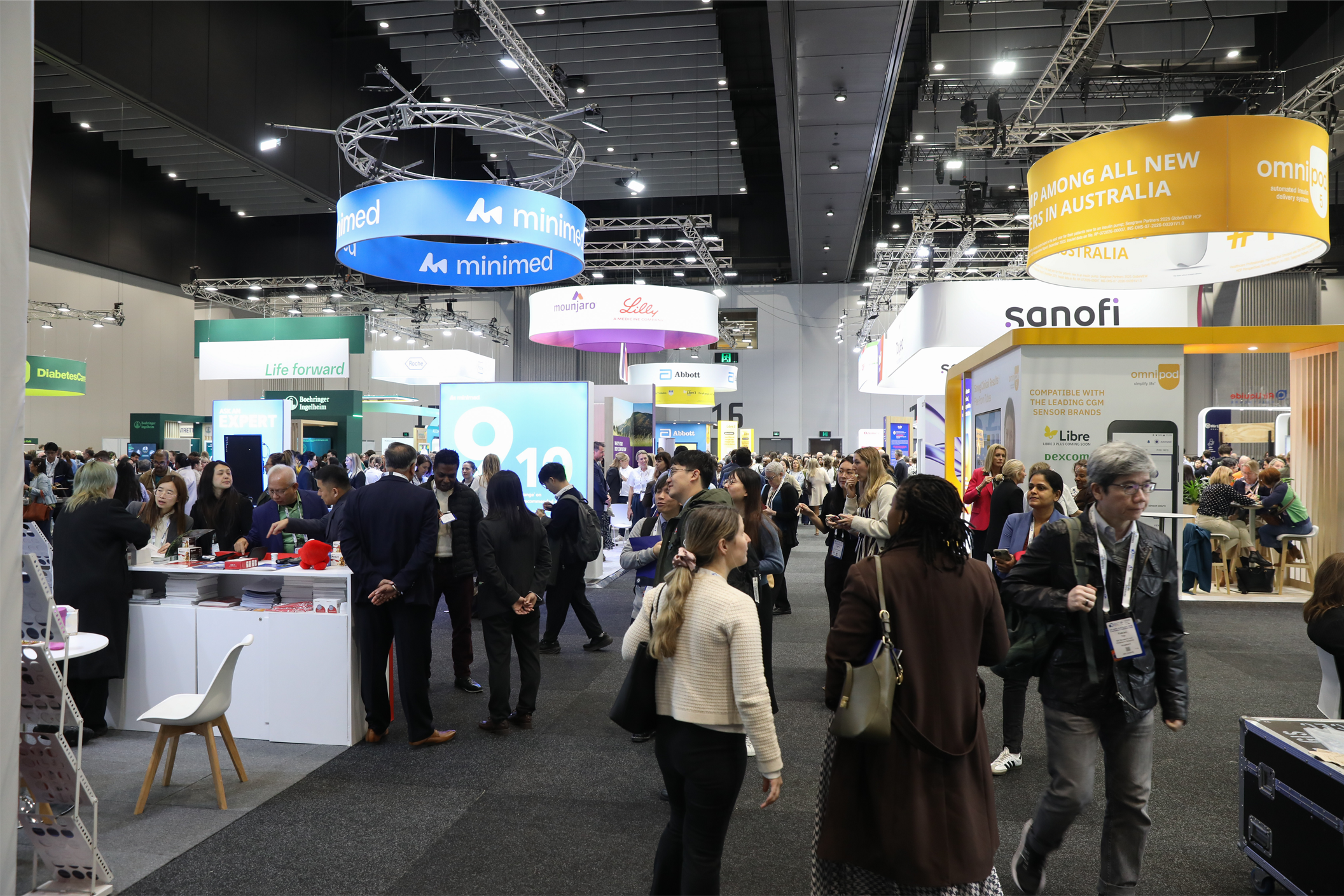
For leaders and associations assessing the value of convening people at this scale, this may be one of the most significant measures of success. A congress can disseminate knowledge, but it can also build the networks through which future ideas and opportunities will travel. Not every outcome can be measured. Research presented in Melbourne may take time to translate into clinical or community outcomes. Conversations may develop into future collaborations. An emerging researcher may make a career-shaping connection, while a clinician may take home knowledge that influences their practice.
As Tim reflected: “The research that was presented and the knowledge that was shared through the Congress will undoubtedly improve the lives of people living with diabetes.” That impact may not be immediate or easily captured. But that does not make it less significant.
There is an understandable sense of pride when Christopher and Tim reflect on what was achieved. The Congress required organisations and individuals to move beyond their own perspectives in pursuit of a common purpose.
Tim acknowledges the many partners and stakeholders who made the Congress possible, while Christopher describes the experience as a “joint journey and a learning experience.” Perhaps that is its most valuable legacy.
Not simply that a major international Congress was successfully delivered, but that organisations, professionals and communities came together around a shared ambition and created something none could have achieved alone. It gave lived experience a stronger voice. It created opportunities for the next generation. It strengthened connections across borders and disciplines.
And some of its greatest outcomes may still be ahead.
As the Professional Conference Organisers (PCO) for this international medical Congress in Melbourne, The Conference Company worked alongside the organising committee on the conference planning and management of the event.
